Long before modern skincare aisles existed, olive oil was already a trusted staple for skin and hair — used across Mediterranean cultures for centuries. Olive oil for skin isn’t a new discovery; it’s a return to something that quietly worked all along. Here’s what makes it effective, and why we include it in our balm.
What Makes Olive Oil Good for Skin?
Olive oil is rich in monounsaturated fatty acids, particularly oleic acid, along with natural antioxidants like vitamin E and polyphenols. This combination is part of why olive oil has remained a trusted ingredient across generations — it’s not just tradition, there’s real substance behind it.
The Key Benefits of Olive Oil for Skin
1. Softens and Smooths
Olive oil softens skin and helps improve overall texture, making it a popular choice for dry or rough patches. Its emollient properties help fill in the gaps between skin cells, leaving skin feeling noticeably smoother after application.
2. Improves Elasticity
Regular use of olive oil is associated with improved skin elasticity, thanks to its fatty acid content supporting the skin’s natural structure. This is part of why it appears so often in formulations aimed at maintaining a more supple, resilient look over time.
3. Delivers Antioxidant Protection
Olive oil naturally contains vitamin E and polyphenols, both of which help protect skin from everyday environmental stress, including free radical exposure. These antioxidants work alongside the oil’s moisturizing properties rather than as a separate function.
4. Deeply Moisturizing
As a rich, stable oil, olive oil helps lock in moisture and support the skin’s barrier, making it especially useful during colder months or for naturally dry skin types.
5. Gentle and Time-Tested
Unlike newer, less-studied skincare ingredients, olive oil has a long history of traditional use, which offers a level of real-world reassurance that trendier ingredients simply haven’t had time to build.
Why We Include Olive Oil in Our Balm
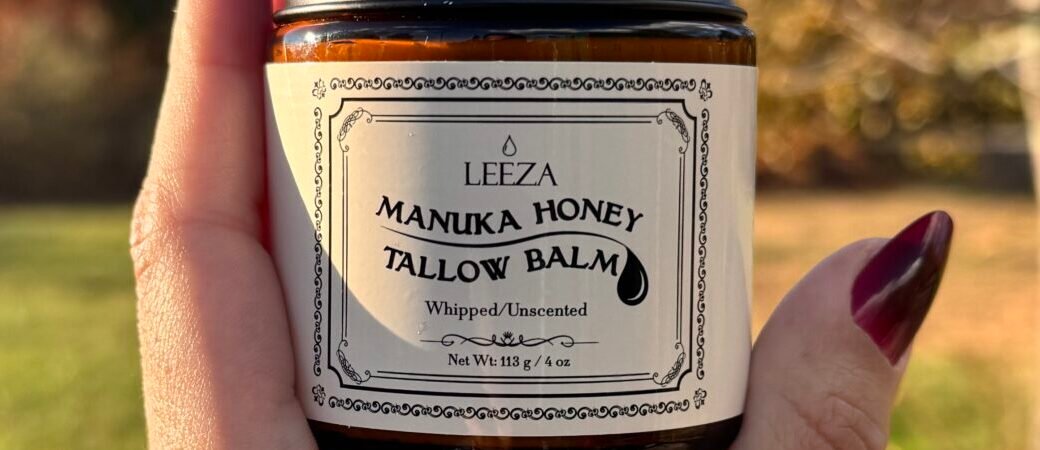
In our Manuka Honey Tallow Balm, olive oil works alongside grass-fed tallow, manuka honey, vitamin E, jojoba oil, and shea butter to round out the formulation’s overall elasticity and antioxidant support. While tallow and shea butter handle barrier repair and deep moisture, olive oil contributes softness and a supporting layer of antioxidant protection, helping the formulation do more than any single ingredient could alone.
(See our complete ingredient breakdown for how all six ingredients work together.)
How to Get the Most From Olive Oil-Based Skincare
- Apply to slightly damp skin to help lock in extra hydration.
- Use consistently, since elasticity and texture improvements build gradually with regular use.
- Pair with complementary ingredients — olive oil tends to work best as part of a balanced formulation rather than used entirely on its own, especially for oilier skin types.
Who Should Be Cautious With Olive Oil?
Olive oil is generally well tolerated, but a few notes are worth knowing:
- Very oily or acne-prone skin may find pure olive oil on its own too heavy; blended formulations with lighter oils like jojoba tend to be better tolerated.
- Olive allergy is rare but possible — as with any new ingredient, a patch test is the safest first step. (See our full patch test guide for exact steps.)
Frequently Asked Questions
Is olive oil good for sensitive skin? Generally yes, thanks to its gentle, minimally processed nature, though patch testing is always recommended for new products.
Can olive oil clog pores? On its own, olive oil is considered moderately comedogenic for some skin types, which is why we balance it with lighter, non-comedogenic jojoba oil in our formulation rather than using it as a standalone ingredient.
How is olive oil different from the other oils in your balm? Jojoba oil is lightweight and closely mimics skin’s natural sebum, while olive oil leans more toward elasticity support and antioxidant delivery. Together, they serve different roles rather than duplicating each other.
Does olive oil have anti-aging benefits? Its antioxidant content and elasticity support are commonly associated with a more youthful appearance over time, though results vary and it shouldn’t be treated as a guaranteed anti-aging treatment.
Final Thoughts
Olive oil has earned its place in skincare the old-fashioned way — through generations of real use, not just marketing. Paired with grass-fed tallow, manuka honey, and four other purposeful ingredients, it’s one more reason our balm works the way it does: real ingredients, each doing a real job.
Ready to feel the difference? Shop our Manuka Honey Tallow Balm, formulated with real olive oil and five other nourishing natural ingredients.